How long is calibration gas good for?
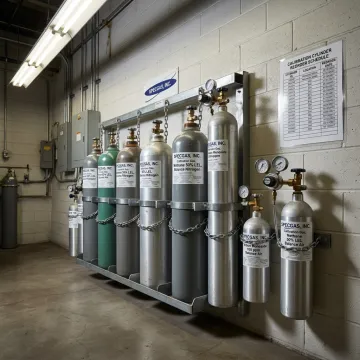
Calibration gas shelf life varies by mixture, concentration, cylinder material, and whether the gas is reactive or non-reactive. Stable gases may last longer, while low-ppm reactive mixtures such as HCN, PH3, Cl2, or NH3 require specialized cylinder treatment and closer expiration management. SpecGas Inc. supplies documentation with applicable stability information so teams can plan standing orders before cylinders expire.
Calibration gas is a precisely blended reference gas used to verify or adjust gas detectors, analytical instruments, CEMS analyzers, and workplace safety monitors. It contains known concentrations of target gases such as H2S, CO, O2, methane, chlorine, or ammonia. When used properly, it confirms that instruments respond accurately before personnel rely on them in hazardous environments.
What should be done with expired calibration gas cylinders?
Expired calibration gas cylinders should be removed from active use, clearly marked, and segregated so they are not used for detector calibration or bump testing. Do not vent or dispose of cylinders casually. Follow the SDS, site procedures, and applicable hazardous material requirements, then coordinate return, disposal, or replacement through your supplier or qualified cylinder handling program.
How do annual calibration gas supply contracts work?
An annual supply contract sets a recurring schedule for the gas mixtures, cylinder sizes, and quantities your safety program uses throughout the year. Instead of placing urgent one-off orders, your team plans expected consumption, expiration windows, and safety stock. SpecGas Inc. then supports consistent fulfillment with in-house blending and documentation aligned to your program requirements.
Can standing orders include multiple gas mixtures?
Yes. Standing orders can be structured around multiple mixtures used across a detector fleet or facility program, including single-gas, four-gas, five-gas, combustible LEL, toxic gas, and custom blends. This is useful for organizations managing confined space entry, industrial hygiene monitoring, wastewater operations, oil and gas work, or specialized process safety applications.
Are disposable cylinders suitable for recurring safety programs?
Disposable cylinders are often practical for recurring safety programs, especially when field crews, remote sites, export shipments, or low-volume detector stations are involved. SpecGas Inc. supplies disposable steel and aluminum cylinders from 17 to 103 liters for many calibration gas mixtures. They reduce return logistics while supporting scheduled bump testing and calibration workflows.
What documentation comes with calibration gas orders?
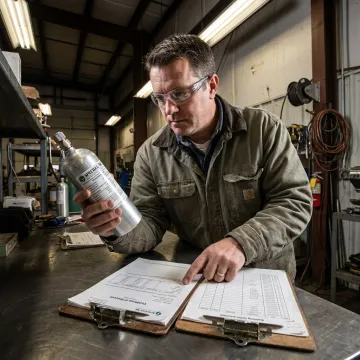
Calibration gas orders can include Certificates of Analysis, NIST traceability documentation, SDS information, and production records where applicable. These documents help EHS teams, auditors, industrial hygienists, and quality personnel verify the gas composition, lot details, and traceability basis. Documentation is especially important for regulated safety programs, environmental monitoring, and analytical instrument calibration.
Can SpecGas support difficult or unusual gas mixtures?
SpecGas Inc. specializes in unusual, difficult, and reactive calibration gas mixtures that larger suppliers may not readily provide. The company blends gases in-house and uses proprietary cylinder treatment methods for improved stability in challenging low-ppm and ppb mixtures. This makes annual supply planning especially valuable for specialized detectors, laboratories, and industrial safety programs.